The Complete Guide to Heater Installation & Repair for Pool Owners
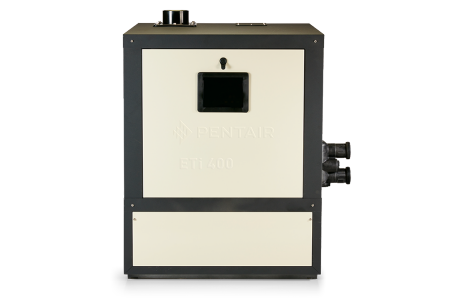
Picture this: You’re ready for a relaxing evening swim, but when you dip your toe in the water, it’s ice cold. Your pool heater has failed, and suddenly your backyard oasis feels more like an arctic plunge. Heater Installation & Repair isn’t just about comfort—it’s about protecting your investment and ensuring year-round enjoyment of your pool. Whether you’re dealing with a broken heating element or planning a complete system upgrade, understanding the ins and outs of heater installation and repair can save you thousands of dollars and countless headaches.
Key Takeaways
• Safety First: The most critical error in DIY electric heater installation is “dry firing”—turning on electricity before the tank is full, which instantly destroys heating elements
• Professional Installation Pays Off: Proper heater installation requires precise electrical connections, correct pipe sizing, and safety valve configuration that can prevent costly water damage
• Maintenance Prevents Major Repairs: Regular inspection of T&P valves, electrical connections, and heating elements can extend your heater’s lifespan significantly
• Know When to Call Experts: Gas connections, electrical work, and complex repairs often require licensed professionals to ensure safety and code compliance
• Investment Protection: Proper installation with drain pans, correct pipe slopes, and quality materials protects your property from expensive water damage
Understanding Pool Heater Systems and Components
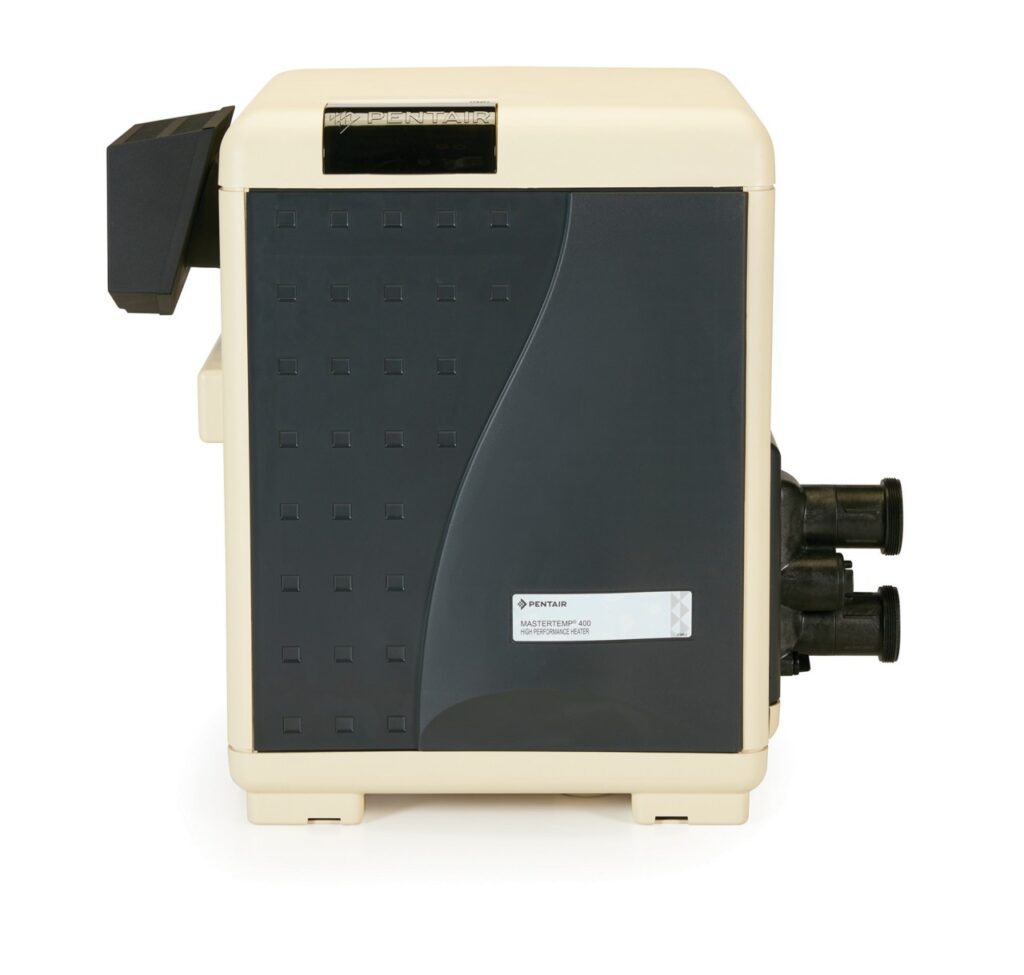
When I work with pool owners, I often find that understanding your heater system is the first step toward successful maintenance and repair. Pool heaters come in several types, each with unique installation and repair requirements.
Electric pool heaters are the most common choice for residential pools. These units use heating elements similar to those in home water heaters, but they’re specifically designed to handle the higher volume and flow rates required for pool heating[1]. The key components include:
- Heating elements (upper and lower in most units)
- Temperature and Pressure Relief (T&P) valve
- Electrical control panel
- Heat exchanger
- Flow sensors
Gas pool heaters offer faster heating times but require natural gas or propane connections. These systems include:
- Gas burner assembly
- Heat exchanger
- Venting system
- Gas control valve
- Safety sensors
Heat pump systems are energy-efficient options that extract heat from ambient air. While more complex, they offer excellent long-term operating cost savings.
Critical Safety Components
The T&P valve deserves special attention as it’s your primary safety device. This valve prevents dangerous pressure buildup that could cause catastrophic failure[2]. The discharge pipe from this valve must:
✅ Be made of approved materials (copper, PEX, or CPVC)
✅ Slope downward continuously
✅ Terminate 1-6 inches above a drain
✅ Never have valves or restrictions installed
“A properly installed T&P valve can be the difference between a minor service call and a major property damage claim. I’ve seen too many DIY installations where this critical safety component was compromised.” – Master Plumber, 15 years experience
Professional Heater Installation & Repair Process
Pre-Installation Planning
Before beginning any Heater Installation & Repair project, I always start with a comprehensive assessment. This includes:
- Electrical capacity evaluation – Ensuring your electrical panel can handle the heater’s requirements
- Plumbing assessment – Checking existing pipe sizes and conditions
- Space requirements – Verifying adequate clearances for installation and service
- Local code compliance – Understanding permit requirements and inspection schedules
Step-by-Step Installation Process
Phase 1: Preparation and Safety
The installation begins with proper preparation. I always shut off the main water supply and drain the existing system if replacing a unit. Safety gear is non-negotiable:
- Safety glasses
- Work gloves
- Proper ventilation for gas units
- Fire extinguisher nearby when soldering
Phase 2: Positioning and Leveling
Proper leveling is essential for optimal performance. Using a quality level, I place the heater and adjust with shims until it sits perfectly straight[3]. This prevents:
- Sediment accumulation in low spots
- Uneven heating element wear
- Premature component failure
Phase 3: Drain Pan Installation
The drain pan must be at least two inches wider than the heater’s diameter[4]. This seemingly simple requirement prevents thousands of dollars in water damage. I’ve seen installations where homeowners skipped this step, only to face insurance claims when minor leaks caused major floor damage.
Phase 4: Plumbing Connections
When cutting existing copper pipes, I choose cut points high enough to accommodate potential future upgrades to larger units. The process involves:
- Clean cuts using a quality tubing cutter, tightened gradually
- Pipe preparation with sanding cloth to ensure clean surfaces
- Flux application before soldering joints
- Lead-free solder for all potable water connections
For threaded connections, pipe thread tape must be applied clockwise to prevent unwinding during installation[5].
Electrical Connections: The Critical Sequence
The electrical connection sequence can make or break your installation. Here’s the proper order:
- Ground wire first – Connect bare copper or green wire to ground screw
- Power wire matching – Typically black-to-black, white-to-white
- Wire nuts according to manufacturer specifications
- Double-check connections before closing electrical panel
⚠️ Critical Warning: Never energize the unit until the tank is completely full. “Dry firing” will instantly destroy the upper heating element, requiring immediate and costly repairs[6].
Common Heater Installation & Repair Issues and Solutions
The “Dry Fire” Disaster
This is the number one mistake I see in DIY installations. When electricity flows through heating elements not surrounded by water, they burn out instantly. To prevent this:
Before energizing any electric heater:
- Open a hot water faucet
- Wait for strong, steady water flow
- Ensure no sputtering or air bubbles
- Only then turn on electrical power
T&P Valve Problems
Faulty T&P valve installation creates serious safety risks. Common issues include:
| Problem | Consequence | Solution |
|---|---|---|
| Restricted discharge pipe | Valve can’t function properly | Remove all restrictions |
| Wrong pipe material | Corrosion, failure | Use only copper, PEX, or CPVC |
| Upward slope | Water doesn’t drain | Ensure continuous downward slope |
| Missing drain termination | Water damage | Terminate 1-6″ above drain |
Gas Connection Hazards
Gas line work requires extreme caution. All connections need:
- Gas-safe pipe dope application
- Firm tightening with proper pipe wrenches
- Leak testing with soap solution
- Professional inspection for code compliance
I always recommend having gas connections performed by licensed professionals. The risk of gas leaks far outweighs any potential savings from DIY work.
Electrical Issues
Common electrical problems in heater installations include:
Insufficient electrical capacity – Many older homes lack the 240V service required for larger electric heaters. This often requires electrical panel upgrades.
Improper grounding – All metal components must be properly grounded to prevent electrical hazards.
Wrong wire sizing – Undersized wires create fire hazards and voltage drops that damage heating elements.
Advanced Heater Installation & Repair Techniques
Flexible Water Connectors
Modern installations often benefit from flexible water connectors. These components:
✅ Simplify connections
✅ Accommodate minor alignment issues
✅ Reduce stress on rigid piping
✅ Allow for thermal expansion
Installation tips:
- Always use new supply lines
- Apply pipe thread sealant to heater inlets
- Connect cold water to ‘C’ inlet, hot to ‘H’ outlet
- Don’t over-tighten – hand tight plus 1-2 turns
Soldering Best Practices
Quality solder joints are crucial for long-term reliability. My technique includes:
- Clean pipes thoroughly with emery cloth
- Apply flux evenly to both surfaces
- Heat the joint, not the solder with gas torch
- Feed solder into the joint – it should flow smoothly
- Wipe excess while still hot
- Allow to cool before moving the joint
Vacuum Valve Considerations
The vacuum valve at the top of fittings prevents siphoning and allows proper drainage. During installation:
- Remove before soldering to prevent damage
- Reinstall after joints cool
- Ensure proper orientation for function
- Test operation before final assembly
Maintenance and Preventive Care
Regular maintenance prevents most major repair issues. I recommend this schedule:
Monthly:
- Visual inspection for leaks
- Check temperature settings
- Listen for unusual noises
Quarterly:
- Test T&P valve operation
- Inspect electrical connections
- Clean area around unit
Annually:
- Professional inspection
- Element testing (electric units)
- Combustion analysis (gas units)
- Anode rod replacement if equipped
Signs Your Heater Needs Professional Attention
Watch for these warning signs:
🚨 Immediate attention required:
- Gas odors
- Water leaks
- Electrical sparking
- No hot water production
⚠️ Schedule service soon:
- Inconsistent water temperature
- Unusual noises
- Higher energy bills
- Rusty water
Cost Considerations and ROI
Heater Installation & Repair costs vary significantly based on system type and complexity:
Electric heater installation: $800-$2,500
Gas heater installation: $1,200-$4,000
Heat pump installation: $2,500-$6,000
Repair costs typically range:
- Element replacement: $150-$400
- T&P valve replacement: $100-$250
- Control board replacement: $300-$800
When to Repair vs. Replace
I use this decision matrix with clients:
Repair if:
- Unit is less than 8 years old
- Repair cost is less than 50% of replacement
- Energy efficiency is acceptable
- No recurring problems
Replace if:
- Multiple component failures
- Age exceeds 10-12 years
- Energy costs are excessive
- Frequent repair needs
Choosing Professional Services
While some maintenance tasks are DIY-friendly, complex Heater Installation & Repair work requires professional expertise. Look for contractors who:
✅ Hold proper licenses and insurance
✅ Provide detailed written estimates
✅ Offer warranties on work performed
✅ Have specific pool heater experience
✅ Can provide local references
Red flags to avoid:
- Door-to-door solicitors
- Demands for full payment upfront
- No physical business address
- Pressure tactics for immediate decisions
- Prices significantly below market rates
Conclusion
Heater Installation & Repair is a critical aspect of pool ownership that directly impacts your enjoyment and property value. While some maintenance tasks can be handled by knowledgeable pool owners, the complexity and safety requirements of installation and major repairs often justify professional service.
The key to success lies in understanding your system, recognizing when professional help is needed, and maintaining your equipment properly. Remember that the most expensive repair is often the one that could have been prevented with proper installation and regular maintenance.
Your next steps:
- Assess your current system – Note the age, condition, and any performance issues
- Schedule professional inspection if your heater is over 5 years old
- Create a maintenance schedule based on the guidelines in this article
- Research qualified contractors before you need emergency service
- Budget for eventual replacement – even the best heaters have finite lifespans
By taking a proactive approach to Heater Installation & Repair, you’ll ensure reliable hot water for your pool while protecting your investment for years to come.
References
[1] Pool & Hot Tub Alliance. (2026). Residential Pool Heating Systems Standards.
[2] American Society of Mechanical Engineers. (2026). Pressure Relief Valve Installation Guidelines.
[3] International Plumbing Code. (2026). Water Heater Installation Requirements.
[4] National Association of Home Builders. (2026). Water Damage Prevention Standards.
[5] Plumbing Manufacturers International. (2026). Pipe Threading and Sealing Best Practices.
[6] National Electrical Contractors Association. (2026). Electric Water Heater Installation Safety Guidelines.