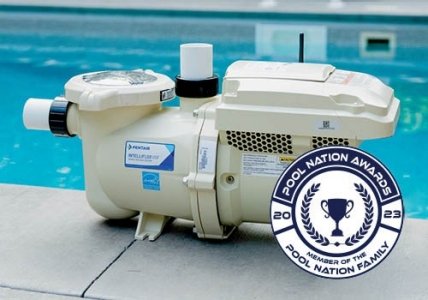
Upgrading to Energy-Efficient Pumps and Systems
Did you know that your pool pump could be consuming as much electricity as your entire home? If you’re a pool owner in Riverside, CA, you’re likely spending hundreds—or even thousands—of dollars more than necessary on energy costs each year. The good news is that pool equipment upgrades, particularly upgrading to energy-efficient pumps and systems, can slash your utility bills by up to 90% while improving your pool’s performance and extending equipment lifespan.
As energy costs continue to rise in 2025, smart pool owners are discovering that modern, energy-efficient equipment isn’t just an environmental choice—it’s a financial necessity. Whether you’re dealing with an aging single-speed pump that runs constantly or outdated heating systems that drain your wallet, the right upgrades can transform your pool from an energy hog into an efficient, cost-effective backyard oasis.
Key Takeaways
• Variable speed pumps can reduce energy consumption by 65-90% compared to traditional single-speed models, often paying for themselves within 1-2 years
• Smart automation systems optimize all equipment operation, reducing waste and extending equipment life while improving water quality
• LED lighting upgrades use 75% less energy than traditional incandescent pool lights and last 10-15 times longer
• Heat pump technology can cut heating costs by 50-70% compared to gas heaters in Riverside’s climate
• Professional installation ensures maximum efficiency and protects manufacturer warranties while avoiding costly DIY mistakes
What Are Energy-Efficient Pool Equipment Upgrades?
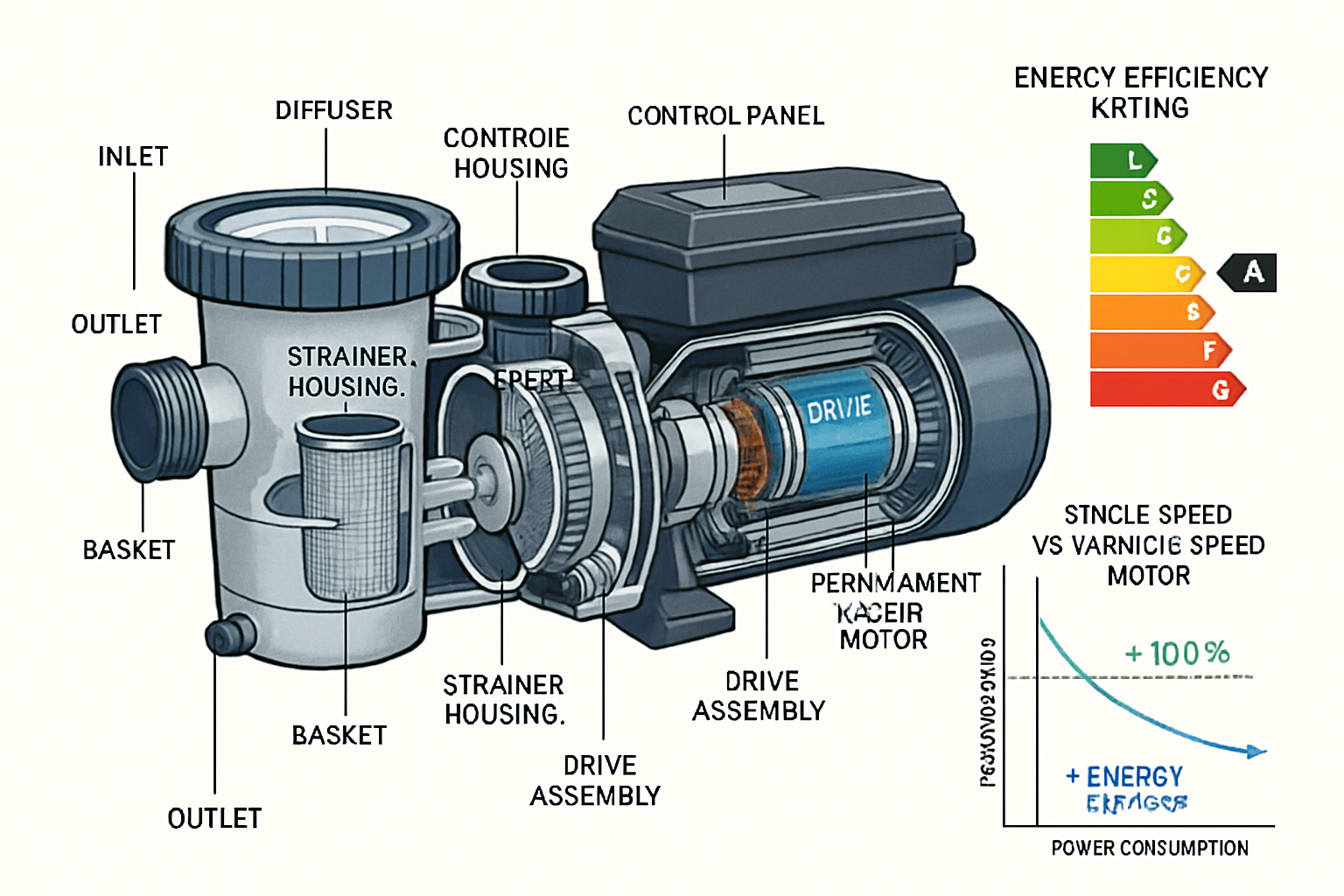
Energy-efficient pool equipment upgrades involve replacing older, power-hungry systems with modern alternatives designed to minimize electricity consumption while maintaining or improving performance. These upgrades typically focus on the three biggest energy consumers in your pool system: the circulation pump, heating equipment, and lighting.
Variable speed pumps are the cornerstone of most upgrade projects. Unlike traditional single-speed pumps that run at full power regardless of demand, variable-speed models adjust their output based on demand. This innovative technology allows the pump to run at lower speeds for routine circulation while ramping up only when needed for cleaning or spa jets.
Intelligent automation systems serve as the brain of your upgraded pool, coordinating all equipment to work together efficiently. These systems can automatically adjust pump speeds, control heating schedules, manage lighting, and even monitor water chemistry—all while optimizing energy use.
LED lighting systems replace power-hungry incandescent bulbs with efficient alternatives that produce more light while using a fraction of the electricity. Modern LED pool lights also offer color-changing capabilities and smartphone control.
Heat pump technology represents a significant advancement in pool heating efficiency. Rather than generating heat directly like gas heaters, heat pumps extract warmth from the ambient air and transfer it to your pool water—a process that’s remarkably efficient in Riverside’s mild climate.
Why Energy-Efficient Upgrades Matter in Riverside, CA
Riverside’s unique climate and local utility costs make energy-efficient pool equipment upgrades particularly valuable for homeowners in the 92503 area and surrounding communities. Southern California Edison’s tiered pricing structure means that high energy usage pushes you into expensive rate tiers, making pool equipment efficiency crucial for controlling costs.
The region’s year-round swimming season means your pool equipment runs longer than in most parts of the country. While this extends your enjoyment, it also amplifies the impact of inefficient equipment. A single-speed pump running 8-10 hours daily for 10-12 months annually can consume 3,000-5,000 kWh, equivalent to the annual electricity usage of an entire energy-efficient home.
Riverside’s hot, dry summers create additional challenges. High evaporation rates require more frequent water replacement, while intense UV exposure accelerates chemical breakdown. Energy-efficient equipment helps manage these challenges more cost-effectively. Variable speed pumps can run longer at lower speeds to maintain better circulation without dramatically increasing costs, while efficient heating systems make it affordable to maintain comfortable temperatures during cooler months.
Local water restrictions and conservation efforts also favor efficient equipment. Modern systems waste less water through improved filtration and reduced backwashing requirements. Smart controllers can optimize chemical usage, reducing the need for frequent water changes due to chemical imbalances.
The desert climate’s temperature swings between day and night create opportunities for heat pump efficiency. These systems work exceptionally well when ambient temperatures remain above 45°F, making them ideal for Riverside’s mild winters while providing cost-effective heating during shoulder seasons.
How Modern Pool Equipment Works
Understanding how energy-efficient pool equipment operates helps you make informed upgrade decisions and maximize your investment. Modern pool systems work as integrated networks rather than independent components, creating synergies that multiply efficiency gains.
Variable Speed Pump Technology 🔧
Variable speed pumps use permanent magnet motors controlled by sophisticated electronics. Instead of running at a fixed 3,450 RPM like single-speed models, these pumps can operate anywhere from 400-3,450 RPM. The physics are remarkable: reducing speed by half cuts energy consumption by approximately 87% due to the cube law of hydraulic engineering[1].
The pump’s controller allows you to program multiple speed settings for different functions:
- Low speed (600-1,000 RPM): Daily circulation and filtration
- Medium speed (1,500-2,000 RPM): Skimming and light cleaning
- High speed (2,500-3,450 RPM): Vacuuming, backwashing, and spa operation
Smart Automation Integration 📱
Modern automation systems connect all pool equipment through wireless or hardwired networks. These controllers monitor water flow, temperature, chemical levels, and equipment status in real-time. Advanced systems use machine learning to optimize schedules based on usage patterns, weather forecasts, and energy pricing.
Key automation features include:
- Automatic pump speed adjustment based on demand
- Temperature-based heating schedules
- Chemical dosing coordination with circulation cycles
- Energy usage monitoring and reporting
- Remote smartphone control and alerts
Heat Pump Efficiency Principles ♨️
Heat pumps don’t generate heat—they move it. The system uses refrigeration principles to extract heat from ambient air and concentrate it in your pool water. For every unit of electricity consumed, quality heat pumps deliver 4-6 units of heating energy, achieving 400-600% efficiency compared to gas heaters’ 80-95% efficiency[2].
The process involves four main components:
- Evaporator coil absorbs heat from outside air
- Compressor pressurizes refrigerant to concentrate heat
- Heat exchanger transfers concentrated heat to pool water
- Expansion valve reduces pressure to restart the cycle
Common Problems with Outdated Pool Equipment
Older pool equipment creates multiple problems that extend far beyond high energy bills. Recognizing these issues helps justify upgrade investments and prevents costly repairs or safety hazards.
Single-Speed Pump Inefficiencies ⚡
Traditional single-speed pumps operate like driving your car with only one gear—full throttle. These pumps typically run 6-12 hours daily, consuming 1,500-2,500 watts continuously. Over a year, this translates to 3,000-9,000 kWh of electricity usage, costing $600-1,800 annually in Riverside’s rate structure.
Beyond energy waste, single-speed pumps create additional problems:
- Over-circulation that strips beneficial chemicals
- Excessive water turbulence that reduces sanitizer effectiveness
- Premature filter wear from constant high-pressure operation
- Increased noise that disturbs neighbors and family
- Shortened equipment life due to continuous high-stress operation
Outdated Heating Systems 🔥
Older gas heaters and electric resistance heaters represent some of the least efficient pool equipment available. Gas heaters from the 1990s and early 2000s often achieve only 70-80% efficiency, meaning 20-30% of fuel energy is wasted. Electric resistance heaters are even worse, converting electricity to heat at 100% efficiency but costing 3-5 times more to operate than heat pumps.
Common heating system problems include:
- Pilot light waste in older gas models
- Heat exchanger corrosion reducing efficiency over time
- Poor temperature control leading to overheating and energy waste
- Slow heating response requiring longer operation times
- High maintenance costs for aging components
Inefficient Lighting and Controls 💡
Incandescent pool lights consume 300-500 watts while producing significant heat that’s wasted in the pool environment. These bulbs also require frequent replacement due to thermal stress and moisture exposure. Manual control systems lead to lights being left on unnecessarily, further increasing energy waste.
Traditional control systems create operational inefficiencies:
- Manual operation leading to forgotten equipment
- Fixed schedules that don’t adapt to changing conditions
- Lack of coordination between different equipment
- No usage monitoring to identify waste or problems
- Difficult troubleshooting when problems occur
Costs, Pricing & Investment Factors
Understanding the financial aspects of pool equipment upgrades helps you make informed decisions and plan your investment strategically. While upfront costs can seem substantial, the long-term savings and benefits typically provide excellent returns.
Variable Speed Pump Investment 💰
Quality variable speed pumps range from $800-2,500 depending on horsepower, features, and brand. Professional installation adds $300-600, bringing total investment to $1,100-3,100. However, energy savings often recover this cost within 12-24 months.
| Pump Type | Annual Energy Cost | 5-Year Total Cost | Savings vs Single-Speed |
|---|---|---|---|
| Single-Speed | $800-1,200 | $4,000-6,000 | – |
| Variable Speed | $200-400 | $1,500-2,500 | $2,500-3,500 |
Automation System Pricing 🤖
Basic automation systems start around $1,500-2,500 installed, while comprehensive systems with smartphone apps, chemical monitoring, and advanced scheduling range from $3,500-6,500. These systems typically pay for themselves through:
- Reduced chemical usage (15-25% savings)
- Optimized equipment operation (10-20% additional energy savings)
- Prevented equipment damage (avoiding $1,000+ repair costs)
- Extended equipment life (20-30% longer lifespan)
Heating System Upgrades 🌡️
Heat pump installations range from $3,500-7,500 depending on size and efficiency ratings. While more expensive than gas heaters ($2,500-4,500), heat pumps provide dramatically lower operating costs:
- Gas heater: $150-300 per month during heating season
- Heat pump: $50-100 per month for equivalent heating
- Annual savings: $1,200-2,400 in Riverside’s climate
LED Lighting Conversions ✨
LED pool light retrofits cost $200-500 per light installed, while complete fixture replacements range from $400-800 each. With 75% energy savings and 15-year lifespans, LED lights typically pay for themselves within 2-3 years through reduced electricity and replacement costs.
Factors Affecting Total Investment
Several factors influence your total upgrade costs:
- Pool size and complexity (larger pools require more powerful equipment)
- Existing electrical infrastructure (older panels may need upgrades)
- Local permit requirements (electrical work often requires permits)
- Seasonal timing (off-season installations may offer discounts)
- Bundle discounts (upgrading multiple systems simultaneously)
DIY vs Professional Installation
While some pool equipment upgrades might seem suitable for DIY installation, the reality is that most energy-efficient systems require professional expertise to achieve optimal performance and safety. Understanding the differences helps you make the right choice for your situation.
Why Professional Installation Matters 👷♂️
Modern pool equipment involves complex electrical work, hydraulic calculations, and system integration that require specialized knowledge. Variable speed pumps need proper electrical connections, flow rate calculations, and programming to achieve maximum efficiency. Incorrect installation can reduce efficiency by 20-40% while voiding manufacturer warranties.
Professional installation benefits include:
- Proper sizing calculations ensuring optimal efficiency
- Code-compliant electrical work meeting safety requirements
- Warranty protection maintaining full manufacturer coverage
- System optimization programming for maximum savings
- Integration expertise connecting multiple upgraded components
- Troubleshooting capability identifying and resolving issues
DIY Risks and Limitations ⚠️
Attempting DIY installation of major pool equipment creates several risks:
Electrical hazards: Pool equipment operates on 220-240V circuits with specific GFCI requirements. Improper wiring can cause electrocution, fires, or equipment damage.
Hydraulic problems: Incorrect plumbing can create flow restrictions that reduce efficiency and damage equipment. Variable speed pumps are particularly sensitive to proper hydraulic design.
Warranty voidance: Most manufacturers require professional installation to maintain warranty coverage. DIY installation typically voids warranties worth hundreds or thousands of dollars.
Code violations: Local electrical codes require permits and inspections for major pool equipment installations. DIY work often fails inspections, requiring costly corrections.
Performance optimization: Achieving maximum efficiency requires proper programming and system balancing that most homeowners can’t perform effectively.
Simple DIY Tasks 🔧
Some upgrade-related tasks are suitable for handy homeowners:
- LED bulb replacement in existing fixtures
- Basic automation programming after professional installation
- Filter cleaning and routine maintenance
- Chemical testing and adjustment
- Seasonal equipment preparation following professional guidance
When to Call Professionals 📞
Always use professional installation for:
- Variable speed pump replacement
- Automation system installation
- Heat pump installation
- New electrical circuits
- Gas line modifications
- Major plumbing changes
- Multi-component system upgrades
Frequently Asked Questions
How much can I really save with a variable speed pump?
Most Riverside homeowners save $600-1,200 annually by switching to variable speed pumps. The exact savings depend on your current pump size, daily runtime, and local electricity rates. Pools with oversized single-speed pumps see the largest savings—sometimes exceeding 90% reduction in pump energy costs.
Will energy-efficient equipment work with my existing pool?
Yes, modern equipment is designed to retrofit existing pools. Variable speed pumps can replace single-speed models using existing plumbing, though some electrical upgrades may be needed. Heat pumps work with any pool heating system, and LED lights can retrofit most existing fixtures. A professional assessment determines specific compatibility requirements.
How long do energy-efficient pool equipment upgrades last?
Quality variable speed pumps typically last 8-12 years with proper maintenance—often longer than single-speed models due to reduced operating stress. Heat pumps last 10-15 years, while LED lights can operate 15-20 years. Automation systems have 10-15 year lifespans with software updates extending functionality.
Are there rebates available for pool equipment upgrades?
Southern California Edison and local water districts occasionally offer rebates for energy-efficient pool equipment. Current programs vary, but past rebates have provided $200-500 for variable speed pumps and additional incentives for automation systems. Check with your utility provider and qualified contractors about available programs.
What’s the best time of year to upgrade pool equipment?
Fall and winter offer several advantages for equipment upgrades in Riverside. Contractors have more availability, potentially offering better pricing. Cooler weather makes installation more comfortable, and you can enjoy efficiency benefits when heating season begins. However, don’t delay necessary upgrades—energy savings begin immediately.
Can I upgrade equipment gradually or should I do everything at once?
Both approaches work, but complete system upgrades often provide better value through bundle pricing and optimized integration. If budgeting requires phased upgrades, prioritize variable speed pumps first for immediate savings, followed by automation, then heating and lighting. Professional planning ensures compatibility between upgrade phases.
How do I know if my current equipment needs upgrading?
Signs your equipment needs upgrading include: high monthly electricity bills, pumps running constantly, frequent equipment repairs, poor water circulation, difficulty maintaining water chemistry, excessive noise, or equipment over 10 years old. A professional energy audit can quantify potential savings and prioritize upgrades.
Will upgraded equipment require more maintenance?
Modern equipment typically requires less maintenance than older systems. Variable speed pumps have fewer moving parts and run at lower stress levels. Heat pumps need annual professional service but have fewer components than gas heaters. LED lights are virtually maintenance-free. Automation systems actually reduce maintenance by optimizing all equipment operation.
When to Call a Professional for Pool Equipment Upgrades
Recognizing when professional help is necessary protects your investment and ensures optimal results from your pool equipment upgrades. While some maintenance tasks are suitable for homeowners, major equipment installations require expertise that only qualified professionals can provide.
Immediate Professional Consultation Needed 🚨
Contact a professional pool equipment specialist immediately if you experience:
- Electrical problems with existing pool equipment
- Pump motor failure or unusual noises
- Heating system malfunctions or gas odors
- Automation system errors or communication failures
- High electricity bills that suggest equipment inefficiency
- Poor water circulation despite proper chemical balance
Planning Major Upgrades 📋
Schedule professional consultation when planning:
- Complete system overhauls involving multiple equipment types
- Energy efficiency assessments to identify best upgrade opportunities
- New construction integration with home additions or renovations
- Seasonal equipment preparation for optimal performance
- Warranty service on existing equipment under manufacturer coverage
Emergency Situations ⚡
Call emergency pool equipment services for:
- Electrical hazards including sparking, burning smells, or GFCI trips
- Gas leaks from heating equipment
- Pump seizure or complete circulation failure
- Automation system failures affecting safety equipment
- Water chemistry emergencies that equipment should control automatically
Choosing the Right Professional ✅
Select pool equipment professionals based on:
- Proper licensing for electrical and plumbing work
- Manufacturer certifications for specific equipment brands
- Local experience with Riverside climate and regulations
- Energy efficiency expertise with modern equipment technologies
- Comprehensive warranties on both equipment and installation
- References from recent similar upgrade projects
Quality professionals provide detailed assessments, energy usage projections, and comprehensive warranties that protect your investment while ensuring maximum efficiency from your upgraded pool equipment.
Related Pool Services and Equipment
Your pool equipment upgrades work best as part of a comprehensive approach to pool efficiency and maintenance. Understanding related services helps you maximize your investment and maintain optimal performance long-term.
Complementary Efficiency Services 🔗
- Pool Automation Systems – Smart controls that optimize all equipment
- Energy-Efficient Pool Heating – Heat pumps and solar heating solutions
- LED Pool Lighting – Complete lighting system upgrades
- Pool Water Chemistry Management – Automated chemical systems
- Pool Equipment Maintenance – Preventive care for upgraded systems
Essential Support Services 🛠️
- Weekly Pool Cleaning – Professional maintenance to protect equipment
- Pool Equipment Repair – Expert service for all pool systems
- Pool Inspection Services – Comprehensive system assessments
- Emergency Pool Service – 24/7 support for equipment failures
- Seasonal Pool Preparation – Optimize equipment for weather changes
Advanced Pool Technologies 🚀
- Smart Pool Controllers – AI-powered pool management systems
- Variable Speed Pool Pumps – Detailed pump upgrade information
- Pool Heat Pump Installation – Comprehensive heating solutions
- Solar Pool Equipment – Renewable energy pool systems
- Pool Equipment Monitoring – Remote system diagnostics
These integrated services ensure your equipment upgrades deliver maximum efficiency while extending equipment life and maintaining optimal water quality year-round.
Conclusion
Pool equipment upgrades, particularly upgrading to energy-efficient pumps and systems, represent one of the smartest investments Riverside pool owners can make in 2025. With energy costs continuing to rise and technology advancing rapidly, modern pool equipment delivers unprecedented efficiency that translates directly to substantial cost savings.
The numbers speak for themselves: variable speed pumps can reduce energy consumption by 65-90%, heat pumps cut heating costs by 50-70%, and LED lighting uses 75% less electricity than traditional alternatives. For most Riverside homeowners, these upgrades pay for themselves within 1-3 years while providing decades of continued savings.
Beyond the financial benefits, energy-efficient equipment improves your pool experience through better water circulation, more precise temperature control, enhanced lighting options, and smart automation that manages everything automatically. You’ll spend less time on maintenance while enjoying a more comfortable, reliable pool environment.
Your Next Steps:
- Schedule a professional energy assessment to identify your biggest opportunities for savings
- Prioritize variable speed pump upgrades for immediate impact on electricity bills
- Consider comprehensive system upgrades to maximize efficiency and integration benefits
- Plan installation timing to take advantage of off-season availability and pricing
- Research available rebates and financing options to reduce upfront investment
The pool equipment landscape has transformed dramatically in recent years, making this an ideal time to upgrade. Modern systems offer reliability, efficiency, and features that were unimaginable just a decade ago. By investing in energy-efficient pool equipment upgrades now, you’re not just reducing costs—you’re future-proofing your pool for years of efficient, enjoyable operation.
Don’t let another swimming season pass with outdated, inefficient equipment draining your wallet. Contact a qualified pool equipment professional today to discover how much you can save with modern, energy-efficient pool systems designed for Riverside’s unique climate and your family’s needs.
References
[1] U.S. Department of Energy. “Pool Pump Energy Efficiency Standards.” Energy.gov, 2024.
[2] Pool & Hot Tub Alliance. “Heat Pump Efficiency Ratings and Performance Data.” PHTA Technical Standards, 2024.