Pool Heater Installation & Repair: Complete Guide to Heater Types and When to Upgrade or Repair
Picture this: It's a beautiful evening in Riverside, and you're ready to enjoy a relaxing swim after a long day. But when you dip your toe in the water, it's ice cold! 🥶 Nothing ruins pool enjoyment quite like a broken heater or an inefficient system that can't keep up with your needs. Whether you're dealing with a complete heater failure or wondering if it's time to upgrade your aging system, understanding pool heater installation and repair options can save you thousands of dollars and ensure year-round swimming comfort.
As a pool service professional serving the Riverside area, I've seen countless homeowners struggle with heater decisions. The good news? With the right knowledge about heater types and when to upgrade or repair, you can make informed choices that maximize your investment and keep your pool at the perfect temperature.
Key Takeaways
• Gas heaters offer rapid heating but higher operating costs, while heat pumps provide energy efficiency for moderate climates like Riverside
• Repair vs. replacement decisions depend on unit age, repair frequency, and efficiency ratings – units over 10 years old often benefit from replacement
• Professional installation ensures proper sizing, safety compliance, and warranty protection for your investment
• Regular maintenance can extend heater lifespan by 3-5 years and prevent costly emergency repairs
• Seasonal preparation in Riverside's climate helps prevent common heater issues and optimizes performance
Understanding Pool Heater Types and Technologies
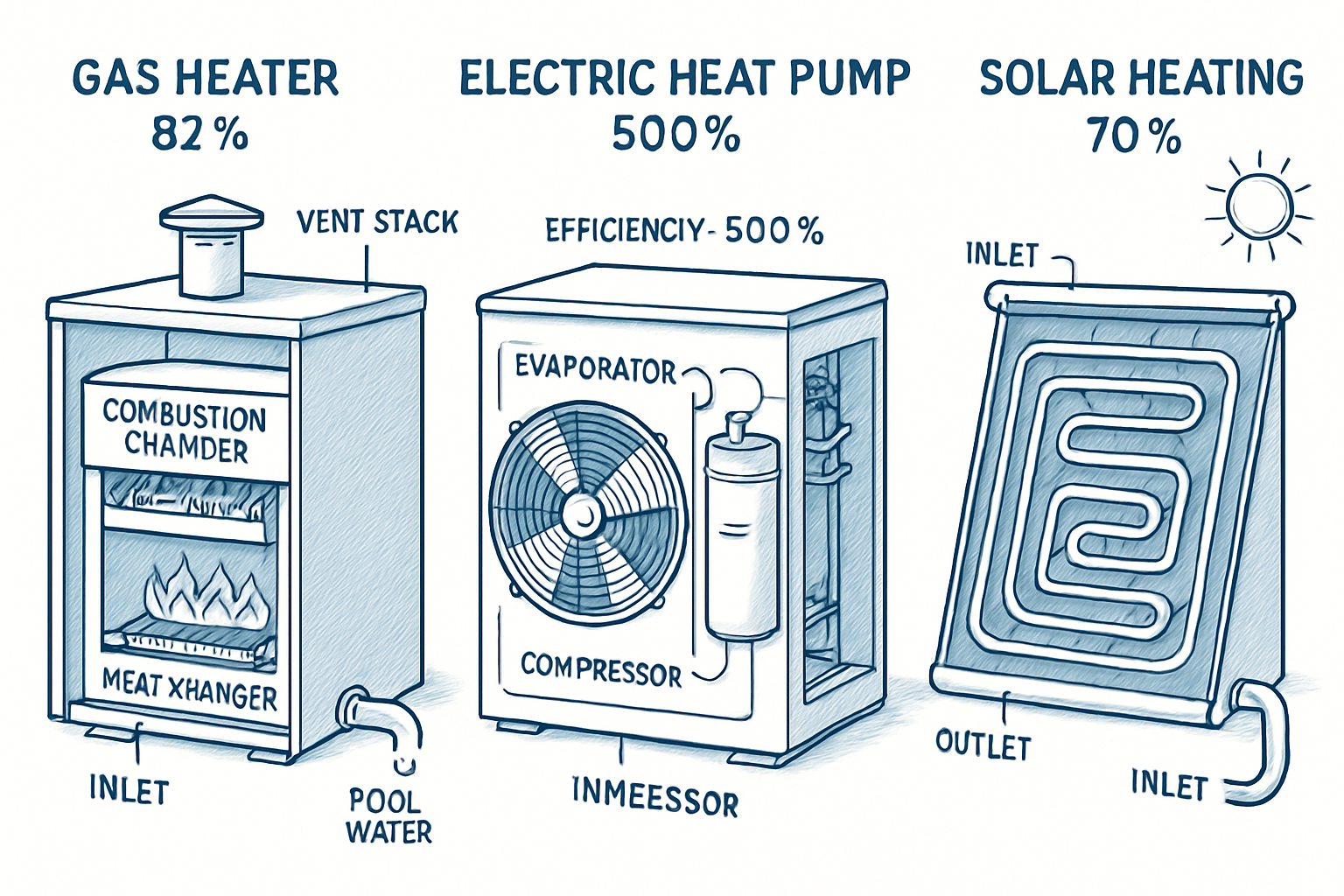
When it comes to pool heater installation and repair, the first step is understanding your options. Modern pool heating technology offers three primary types, each with distinct advantages for Riverside homeowners.
Gas Pool Heaters: Fast and Reliable
Gas heaters remain the most popular choice for quick heating and consistent performance. These units burn natural gas or propane to heat water rapidly, making them ideal for:
- Weekend warriors who want instant heat-up
- Larger pools that need significant temperature boosts
- Homes with existing gas lines for cost-effective installation
Gas heaters typically last 8-12 years with proper maintenance and can raise pool temperature by 1-2 degrees per hour. However, they come with higher operating costs, especially during peak swimming season.
Electric Heat Pumps: Energy Efficiency Champions
Heat pump technology has revolutionized pool heating efficiency. These systems extract heat from ambient air and transfer it to pool water, using up to 80% less energy than traditional gas heaters.
Heat pumps work best when:
- Ambient temperatures stay above 50°F
- You maintain consistent pool temperatures
- Energy efficiency is a priority
- You swim regularly throughout the season
In Riverside's mild climate, heat pumps can operate effectively 8-10 months per year, making them an excellent long-term investment.
Solar Pool Heating: Sustainable and Cost-Effective
Solar heating systems harness California's abundant sunshine to warm your pool naturally. While initial installation costs are higher, solar systems offer:
- Zero operating costs after installation
- 15-20 year lifespans with minimal maintenance
- Environmental benefits with no emissions
- Excellent ROI in sunny climates like Riverside
Solar works best for homeowners committed to eco-friendly solutions and those with adequate roof space for panel installation.
When to Repair vs. Replace Your Pool Heater
Making the right decision about pool heater installation and repair requires evaluating several key factors. Here's my professional framework for determining the best path forward:
The 50% Rule for Repair Decisions
If your repair costs exceed 50% of a new heater's price, replacement typically makes more sense. For example, if a new heater costs $3,000 and repairs would run $1,800, investing in new equipment provides better long-term value.
Age and Efficiency Considerations
| Heater Age | Recommended Action | Reasoning |
|---|---|---|
| 0-5 years | Repair | Under warranty, modern efficiency |
| 6-10 years | Evaluate case-by-case | Consider repair frequency and costs |
| 10+ years | Replace | Outdated efficiency, increasing repairs |
Warning Signs That Indicate Replacement
Watch for these red flags that suggest heater replacement over repair:
- Frequent breakdowns (3+ repairs per year)
- Rising energy bills despite normal usage
- Inconsistent heating or inability to reach set temperatures
- Visible corrosion or structural damage
- Discontinued parts that are expensive or hard to find
Cost-Benefit Analysis Framework
Before making repair vs. replacement decisions, calculate:
- Annual repair costs over the past 2-3 years
- Energy efficiency losses compared to new models
- Remaining useful life of current equipment
- Available rebates for high-efficiency replacements
Professional Pool Heater Installation Process
Understanding the pool heater installation and repair process helps you work effectively with contractors and ensure quality results.
Pre-Installation Assessment
Professional installation begins with comprehensive evaluation:
Site Survey: Technicians assess your pool size, existing plumbing, electrical capacity, and gas line availability. Proper heater sizing is crucial – undersized units struggle to maintain temperature, while oversized units waste energy.
Permit Requirements: Most Riverside installations require permits for gas line work, electrical connections, and equipment placement. Professional contractors handle permit applications and ensure code compliance.
Equipment Selection: Based on your heating needs, budget, and preferences, contractors recommend specific models and brands that match your requirements.
Installation Day Procedures
Quality heater installation follows these critical steps:
- Safety First: Gas line shutdown, electrical disconnection, and proper ventilation setup
- Old Equipment Removal: Careful disconnection and disposal of existing heaters
- Infrastructure Updates: Gas line sizing, electrical upgrades, or plumbing modifications as needed
- New Unit Installation: Precise placement, connection, and calibration
- Testing and Commissioning: Complete system testing to ensure safe, efficient operation
Post-Installation Verification
Professional contractors provide:
- System operation training for homeowners
- Warranty registration and documentation
- Maintenance schedule recommendations
- Emergency contact information for service needs
Common Pool Heater Problems and Solutions
Recognizing common issues helps you determine when pool heater installation and repair services are needed.
Gas Heater Troubleshooting
Pilot Light Issues: Frequent pilot outages often indicate thermocouple problems, gas supply issues, or ventilation blockages. While homeowners can relight pilots, recurring problems require professional diagnosis.
Inadequate Heating: When gas heaters run but don't heat effectively, potential causes include:
- Clogged heat exchangers
- Improper gas pressure
- Scaled internal components
- Faulty temperature sensors
Strange Noises: Rumbling, whistling, or banging sounds typically indicate combustion problems, mineral buildup, or component wear requiring immediate attention.
Heat Pump Diagnostics
Reduced Efficiency: Heat pumps losing effectiveness may have:
- Dirty evaporator coils
- Low refrigerant levels
- Faulty compressors
- Blocked air flow
Frequent Cycling: Short cycling indicates oversized units, thermostat problems, or refrigerant issues that reduce efficiency and increase wear.
Universal Heater Problems
Water Flow Issues: All heater types require adequate water flow for safe operation. Low flow can cause:
- Overheating and safety shutdowns
- Reduced heat transfer efficiency
- Premature component failure
Electrical Problems: Faulty wiring, corroded connections, or control board failures affect all heater types and require professional electrical expertise.
Costs and Investment Considerations
Pool heater installation and repair costs vary significantly based on equipment type, installation complexity, and local factors.
Installation Cost Ranges
Gas Heater Installation: $2,500 – $5,000
- Equipment: $1,500 – $3,000
- Installation labor: $800 – $1,500
- Permits and connections: $200 – $500
Heat Pump Installation: $3,500 – $7,000
- Equipment: $2,500 – $5,000
- Installation labor: $800 – $1,500
- Electrical upgrades: $200 – $500
Solar Installation: $4,000 – $8,000
- Panels and controls: $2,500 – $4,500
- Installation labor: $1,200 – $2,500
- Permits and inspections: $300 – $1,000
Factors Affecting Installation Costs
Site Complexity: Difficult access, long utility runs, or structural modifications increase labor costs significantly.
Utility Upgrades: Electrical panel upgrades, gas line extensions, or plumbing modifications add $500-$2,000 to project costs.
Equipment Features: High-efficiency models, digital controls, and extended warranties increase upfront costs but provide long-term value.
Operating Cost Comparisons
Understanding ongoing costs helps evaluate total ownership expenses:
Gas Heaters: $300-$800 monthly during peak season
Heat Pumps: $100-$300 monthly for consistent heating
Solar Systems: $0 monthly operating costs after installation
DIY vs Professional Installation
While some homeowners consider DIY pool heater installation and repair, professional installation offers significant advantages.
Why Professional Installation Matters
Safety Compliance: Gas line work requires licensed professionals to ensure safe connections and prevent dangerous leaks. Electrical work must meet local codes to prevent fires or electrocution risks.
Warranty Protection: Most manufacturers require professional installation to maintain warranty coverage. DIY installations void warranties and leave you responsible for all repair costs.
Proper Sizing: Professionals calculate heat load requirements, considering pool size, surface area, desired temperature rise, and local climate factors.
Code Compliance: Riverside building codes specify installation requirements for clearances, venting, electrical connections, and safety devices.
Limited DIY Opportunities
Homeowners can safely handle:
- Basic maintenance like cleaning filters and checking connections
- Thermostat adjustments and seasonal startup procedures
- Minor troubleshooting following manufacturer guidelines
However, avoid DIY attempts at:
- Gas line connections or modifications
- Electrical wiring or control installations
- Major component replacements
- Refrigerant system work on heat pumps
Maintenance Tips for Optimal Performance
Proper maintenance extends heater life and ensures efficient pool heater installation and repair investments.
Monthly Maintenance Tasks
Visual Inspections: Check for corrosion, unusual wear, loose connections, or debris around equipment. Look for water leaks, gas odors, or unusual noises during operation.
Filter Cleaning: Clean pool filters monthly to maintain proper water flow through heaters. Restricted flow causes overheating and reduces efficiency.
Thermostat Calibration: Verify temperature settings match actual pool temperatures using separate thermometers.
Seasonal Maintenance Requirements
Spring Startup: Professional inspection ensures safe operation after winter shutdown. Technicians check gas connections, electrical systems, and heat exchangers for winter damage.
Fall Winterization: Proper shutdown prevents freeze damage and extends equipment life. This includes draining water lines, disconnecting power, and protecting external components.
Professional Service Intervals
Schedule professional maintenance:
- Annually for gas heaters (combustion analysis, safety checks)
- Bi-annually for heat pumps (refrigerant levels, coil cleaning)
- Every 3 years for solar systems (panel inspection, valve service)
Frequently Asked Questions
How long does pool heater installation take?
Most pool heater installation and repair projects take 4-8 hours for straightforward replacements. New installations requiring utility connections may take 1-2 days, especially if permits and inspections are required.
What size heater do I need for my pool?
Heater sizing depends on pool volume, desired temperature rise, and heat loss factors. A professional heat load calculation considers surface area, average wind speed, humidity levels, and desired heating speed. Generally, plan for 25-30 BTUs per square foot of pool surface for gas heaters.
Can I upgrade from gas to electric heat pump?
Yes, but electrical upgrades are often required. Heat pumps need dedicated 220V circuits with adequate amperage. Consult with contractors about electrical capacity and installation requirements.
How much can I save with a high-efficiency heater?
Modern high-efficiency heaters can reduce operating costs by 20-40% compared to older models. Heat pumps offer the greatest savings in moderate climates like Riverside, potentially saving $1,000+ annually compared to gas heating.
What warranty coverage should I expect?
Quality heaters include 1-3 year parts warranties, with heat exchangers often covered for 5-10 years. Professional installation and regular maintenance are typically required to maintain warranty coverage.
When should I call for emergency repair?
Contact professionals immediately for gas odors, electrical sparking, water leaks near electrical components, or any safety concerns. Non-emergency issues like gradual efficiency loss can wait for regular service appointments.
How do I choose between repair and replacement?
Consider equipment age, repair frequency, energy efficiency, and total cost of ownership. Units over 8-10 years old with major component failures often benefit from replacement rather than expensive repairs.
What rebates are available for efficient heaters?
Southern California Edison and local utilities offer rebates for high-efficiency heat pumps and solar installations. Rebates change annually, so check current programs before purchasing new equipment.
When to Call a Professional
Recognizing when you need professional pool heater installation and repair services protects your investment and ensures safe operation.
Emergency Situations
Contact professionals immediately for:
- Gas odors near pool equipment
- Electrical sparking or burning smells
- Water leaks affecting electrical components
- Complete heating failure during cold weather
- Unusual noises or vibrations during operation
Routine Service Needs
Schedule professional service for:
- Annual maintenance and safety inspections
- Efficiency decline or rising energy costs
- Frequent minor repairs indicating larger problems
- Upgrade consultations for aging equipment
Choosing the Right Contractor
Look for contractors with:
- Proper licensing for gas and electrical work
- Insurance coverage protecting your property
- Manufacturer certifications for warranty work
- Local references and established reputation
- Written estimates with detailed scope of work
Conclusion
Making informed decisions about pool heater installation and repair ensures years of comfortable swimming while maximizing your investment. Whether you're dealing with an aging gas heater, considering an energy-efficient heat pump upgrade, or exploring solar options, understanding your choices empowers better decisions.
Remember that professional installation and regular maintenance are key to optimal performance and longevity. While upfront costs may seem significant, quality equipment properly installed and maintained provides reliable service for decades.
The mild Riverside climate offers excellent opportunities for efficient pool heating year-round. By choosing the right heater type for your needs, maintaining it properly, and working with qualified professionals, you can enjoy perfect pool temperatures while controlling operating costs.
Ready to upgrade your pool heating system or address repair needs? Contact a licensed pool equipment contractor in the Riverside area for a comprehensive assessment of your current system and personalized recommendations for your specific situation. Professional consultation ensures you make the best choice for your pool, budget, and long-term comfort goals.
References
[1] Pool & Hot Tub Alliance. "Pool Equipment Standards and Best Practices." 2025 Edition.
[2] California Energy Commission. "Pool Heating Efficiency Guidelines." State of California, 2025.
[3] American Society of Heating, Refrigerating and Air-Conditioning Engineers. "Pool Heating Load Calculations." ASHRAE Standards, 2024.
SEO Meta Information:
Meta Title: Pool Heater Installation & Repair Guide | Riverside CA 2025
Meta Description: Complete guide to pool heater installation & repair in Riverside. Compare gas, electric & solar options. Expert advice on when to repair vs replace your pool heater.